Food service within major airports plays a critical role in maintaining passenger flow and reducing congestion near boarding areas. Chick-fil-A Denver Airport is an example of a quick-service restaurant strategically positioned to handle high volumes efficiently, especially during peak travel periods. Its placement, streamlined menu structure, and operating hours are designed to align with flight schedules, helping maintain steady passenger movement across terminals while offering convenient dining options.
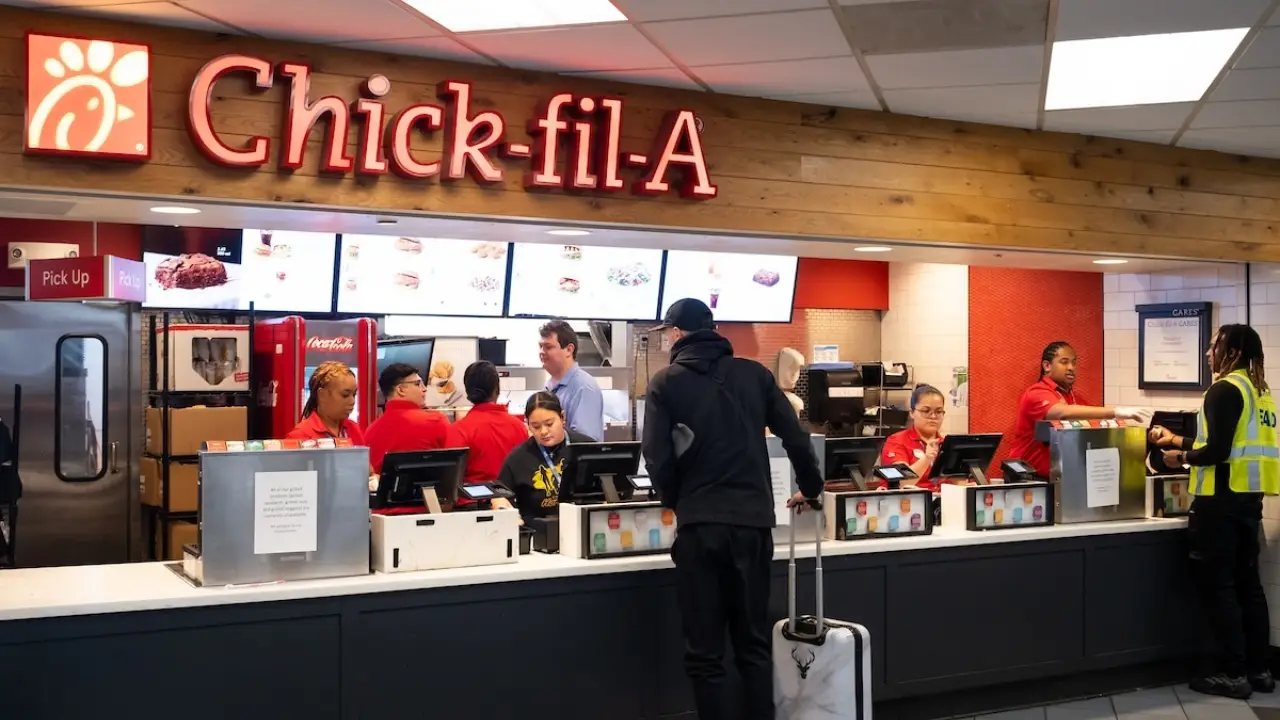
Chick-fil-A at Denver International Airport Location
The presence of Chick-fil-A at Denver International Airport reflects operational planning that aligns food services with passenger density. Concourse-based placement distributes demand across terminals, which prevents overcrowding in central areas.
-
Located in Concourse B
-
Positioned after security screening
-
Integrated within high-traffic gate zones
This structure allows passengers to access food without leaving their boarding area, which reduces missed announcements and unnecessary movement.
Chick-fil-A in Denver Airport: Menu and Efficiency
The Chick-fil-A in denver airport location uses a limited menu to improve preparation speed. Airports often reduce menu complexity because high passenger turnover requires faster service cycles.
-
Core chicken items such as sandwiches and nuggets
-
Standard sides including fries
-
Breakfast items during early hours
-
Beverages prepared for quick distribution
A simplified menu shortens decision time and preparation steps, which explains why service remains consistent even during peak demand.
Chick-fil-A at Denver Airport: Hours and Demand Patterns
Operating hours for Chick-fil-A at Denver Airport follow flight schedules rather than traditional restaurant timing. This alignment ensures availability when passenger volume is highest.
-
Early opening to match first departures
-
Closing aligned with evening flight reductions
-
Sunday closure due to company policy
Because of this schedule, demand increases around active flight periods. As a result, nearby food outlets often experience higher traffic when the restaurant is closed.
Wait Times and Passenger Flow
Passenger flow directly influences service speed. Peak demand typically occurs during:
-
Morning departure waves
-
Midday connections
-
Evening boarding periods
Queue movement remains steady because the service model focuses on rapid order handling. However, increased passenger density during peak hours explains temporary wait times. Efficient layout and staff coordination help maintain flow despite these fluctuations.
Chick-fil-A at Denver International Airport operates as part of a broader system designed to manage passenger movement efficiently. Strategic placement, reduced menu complexity, and schedule alignment with flight activity support consistent service. These factors explain how high-demand food outlets function effectively within a busy airport environment.