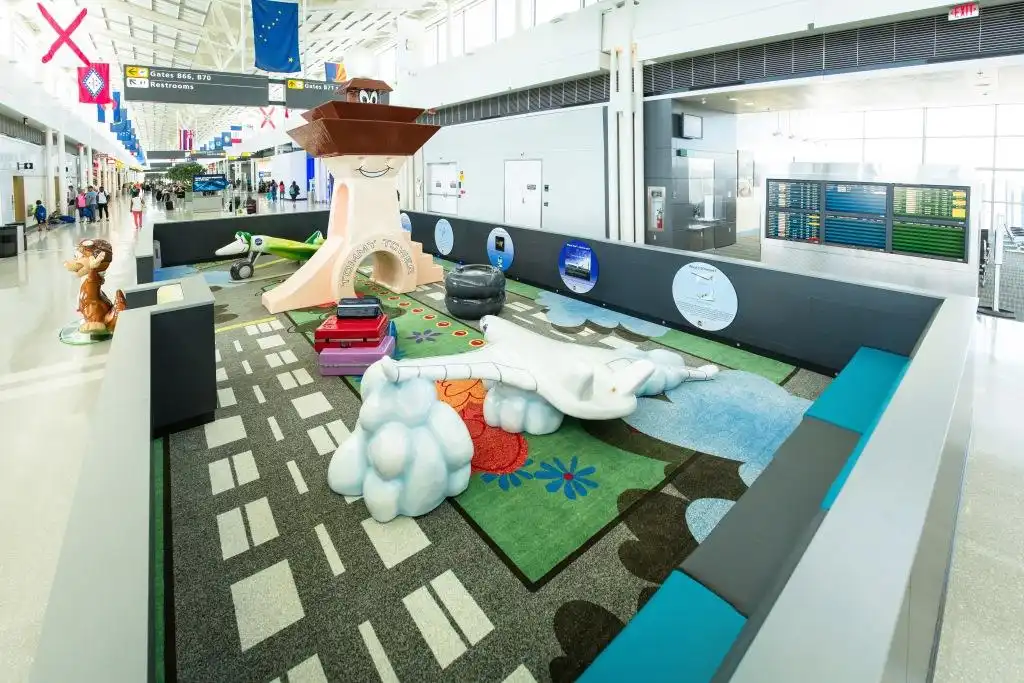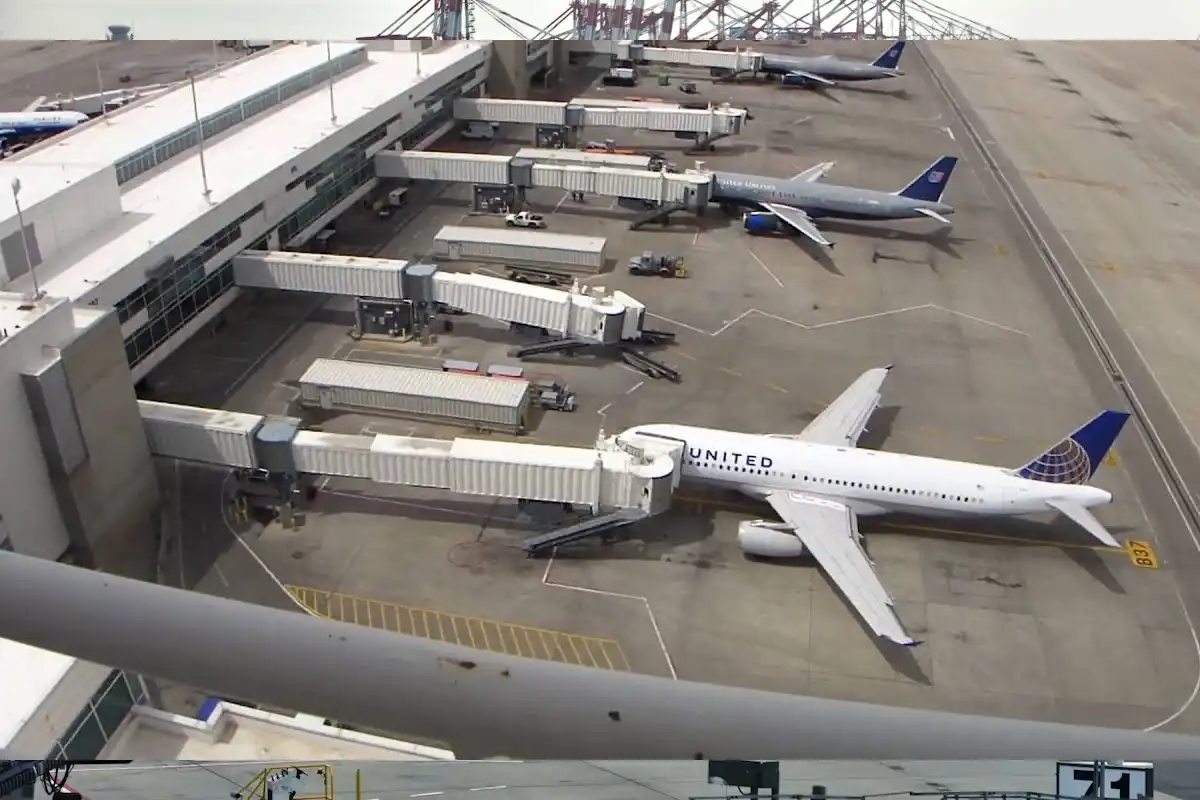
Denver International Airport has approximately 169 aircraft gates, spread across three main concourses. The number is not fixed permanently because airport layouts change with renovations, airline reallocations, and gate expansions. Still, most aviation references place the total in the 160-170 gate range.
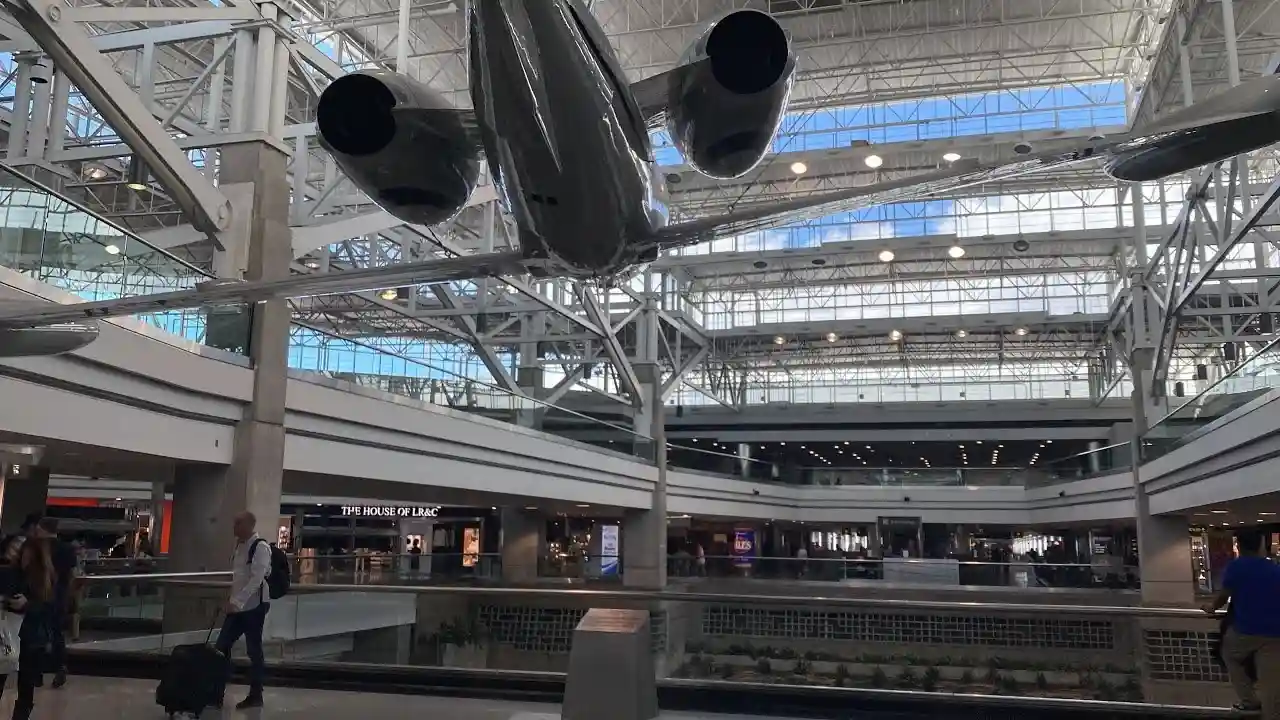
The gate system at Denver is designed around a single-terminal concept feeding three long concourses. This structure supports high passenger volume while keeping aircraft movement separated from the main terminal (Jeppesen Terminal). The layout explains why gate distribution matters more than a single fixed number.
Concourse A Gates (about 60-61 gates)
Concourse A handles around 60 to 61 gates. It supports both domestic and international operations. Some international arrivals use this concourse because customs facilities are located here.
A mix of narrow-body and wide-body aircraft operates in this section. Gate usage shifts depending on airline schedules, which affects the small variation in reported numbers.
Concourse B Gates (about 70–78 gates)
Concourse B contains the largest share of gates, around 70 to 78. This concourse acts as a major hub area for United Airlines.
The layout stretches in multiple segments, which creates different ways of counting gates. Some extensions or remote positions are added or reclassified over time. High flight density explains why this concourse carries the heaviest operational load.
Concourse C Gates (about 27-47 gates)
Concourse C has the smallest gate count, around 27 to 47 gates, mainly serving Southwest Airlines.
The variation in numbers comes from gate reconfiguration and operational adjustments. Even with fewer gates, high-frequency domestic routes keep aircraft movement steady throughout the day.
Why Gate Numbers Vary
Gate counts change due to airport expansion projects and airline gate swaps. Some gates are temporarily closed or reassigned during construction phases. Counting methods also differ-some sources include sub-gates or remote stands, while others count only active boarding positions.
Airport Layout Reasoning
The airport uses a linear concourse design connected by an underground train system. This reduces taxi congestion and separates passenger flow from aircraft movement. Wide spacing between concourses increases operational flexibility but also leads to different interpretations of total gate counts.
Denver International Airport operates with about 169 gates across three concourses. Concourse B carries the highest load, Concourse A balances domestic and international traffic, and Concourse C supports high-frequency domestic operations. Gate variation reflects ongoing expansion and operational flexibility rather than a fixed static number.